Marina Method
An AI study-guide pipeline built on one rule: the LLM proposes, deterministic code disposes. Bloom classification, citation verification, and mode routing run as plain code that cannot hallucinate.
The problem
Most EdTech pushes content at students who click through, forget, and move on. Teachers who want material that builds real understanding cannot use generic AI tools, because a study guide that invents a fact is worse than no study guide at all.
What it does
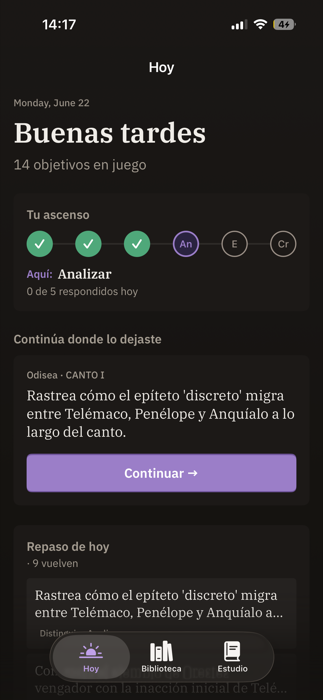
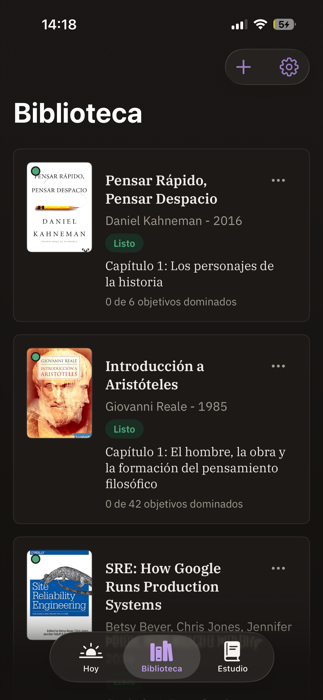
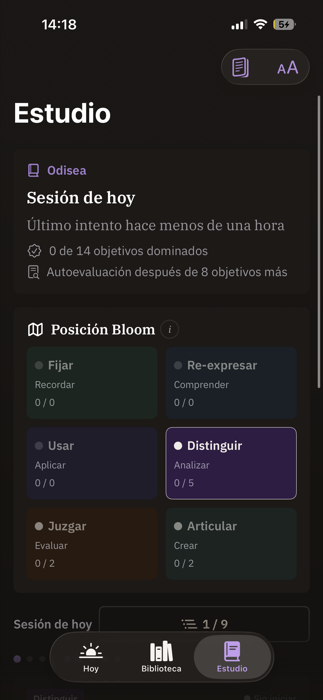
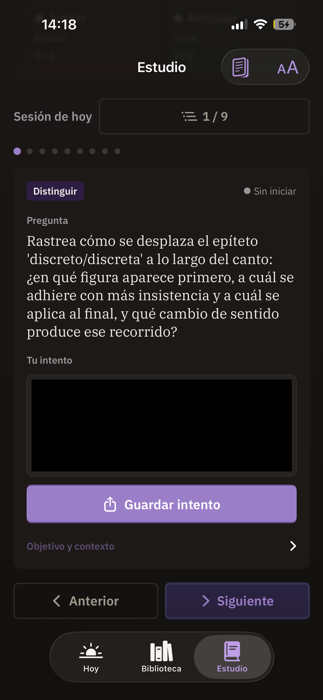
Marina Method turns source material into rigorous study guides where the language model only ever proposes, and deterministic code decides what ships. It classifies each question by cognitive depth, verifies every claim against the source, and routes content by mode, so nothing reaches a student that has not been checked.
How it works
- A FastAPI pipeline in Python where the LLM reads the source and proposes structure, never the final answer.
- Bloom's taxonomy classification runs as explicit code, not a model guess, so the cognitive level of each item is auditable.
- A citation verifier confirms every claim traces back to the source text before it is allowed through.
- Mode routing decides expository versus derived content as plain logic that cannot hallucinate.
- 188 automated tests guard the deterministic layer, the part that is allowed to say no.
The value
- Study material a teacher can actually trust, with no invented facts.
- Real cognitive depth by design, grounded in a recognized learning framework.
- Built Spanish-first for the classrooms that need it most.
- Every claim is verifiable back to its source, not taken on faith.